 Ear, Nose, and Throat (ENT): Restoring Senses and Resolving Ailments
ENT, or Otorhinolaryngology, is a medical specialty that focuses on diagnosing and treating disorders of the ear, nose, throat, and related structures. ENT specialists, known as otolaryngologists, provide expertise in restoring sensory functions, managing conditions such as hearing loss, sinus issues, voice disorders, and addressing a wide range of head and neck ailments. Their care encompasses everything from common ear infections to complex surgeries, enhancing the quality of life for patients of all ages.
Otolaryngology (ENT): Navigating the Realm of Ear, Nose, and Throat Health
Otolaryngology, commonly referred to as ENT (Ear, Nose, and Throat) medicine, is a specialized medical field dedicated to diagnosing and treating a wide spectrum of conditions related to the head and neck. This comprehensive guide delves into the multifaceted world of ENT medicine, covering its historical roots, the role of ENT specialists, common disorders, diagnostic methods, treatment options, and the significance of addressing ear, nose, and throat health.
I. Historical Perspective
The roots of ENT medicine trace back to ancient civilizations where healers and physicians recognized the importance of addressing disorders affecting the ears, nose, and throat. Formalization of this specialty, however, occurred in the 19th century, with the term “otorhinolaryngology” coined to represent the comprehensive nature of the field.
II. The Role of ENT Specialists
ENT specialists, also known as otolaryngologists, are highly trained medical doctors who diagnose and treat a vast array of conditions related to the head and neck. Their expertise encompasses:
- Ear Health: Diagnosing and managing hearing disorders, ear infections, tinnitus, and balance disorders.
- Nasal Health: Addressing sinusitis, nasal allergies, nasal polyps, and issues related to the nasal septum.
- Throat and Voice Care: Treating conditions like tonsillitis, vocal cord disorders, swallowing difficulties, and hoarseness.
- Head and Neck Tumors: Identifying and managing tumors or masses in the head and neck region, including cancers.
- Pediatric ENT: Specialized care for children with ear infections, tonsil issues, congenital disorders, and speech problems.
- Facial Plastic and Reconstructive Surgery: Performing cosmetic and reconstructive procedures to enhance both appearance and function.
III. Common ENT Conditions
ENT specialists diagnose and treat a wide range of conditions, including:
- Otitis Media: Infections of the middle ear that often affect children.
- Allergic Rhinitis: Inflammation of the nasal passages due to allergies.
- Sinusitis: Infections or inflammation of the sinus cavities.
- Hearing Loss: Affecting people of all ages, hearing loss can result from various causes.
- Tonsillitis: Infections or inflammation of the tonsils.
- Laryngitis: Inflammation of the larynx, leading to voice changes or hoarseness.
- Snoring and Sleep Apnea: Sleep-related breathing disorders often treated by ENT specialists.
- Head and Neck Cancers: Tumors affecting structures in the head and neck, including the throat and voice box.
IV. Diagnostic Methods
ENT specialists employ various diagnostic tools and procedures to assess and diagnose conditions, such as:
- Endoscopy: Using specialized scopes to visualize the ear, nose, and throat.
- Audiometry: Assessing hearing function through comprehensive tests.
- Imaging: Utilizing CT scans, MRIs, and X-rays to obtain detailed images for diagnosis.
- Biopsy: Collecting tissue samples for laboratory analysis in cases of suspected cancer or other disorders.
V. Treatment Options
Treatment in ENT medicine varies widely based on the specific condition and its severity. Options include:
- Medications: Prescription drugs or therapies to manage infections, allergies, or inflammation.
- Surgery: When necessary, surgical interventions may be performed, including procedures to address chronic sinusitis, remove tonsils or adenoids, or treat head and neck tumors.
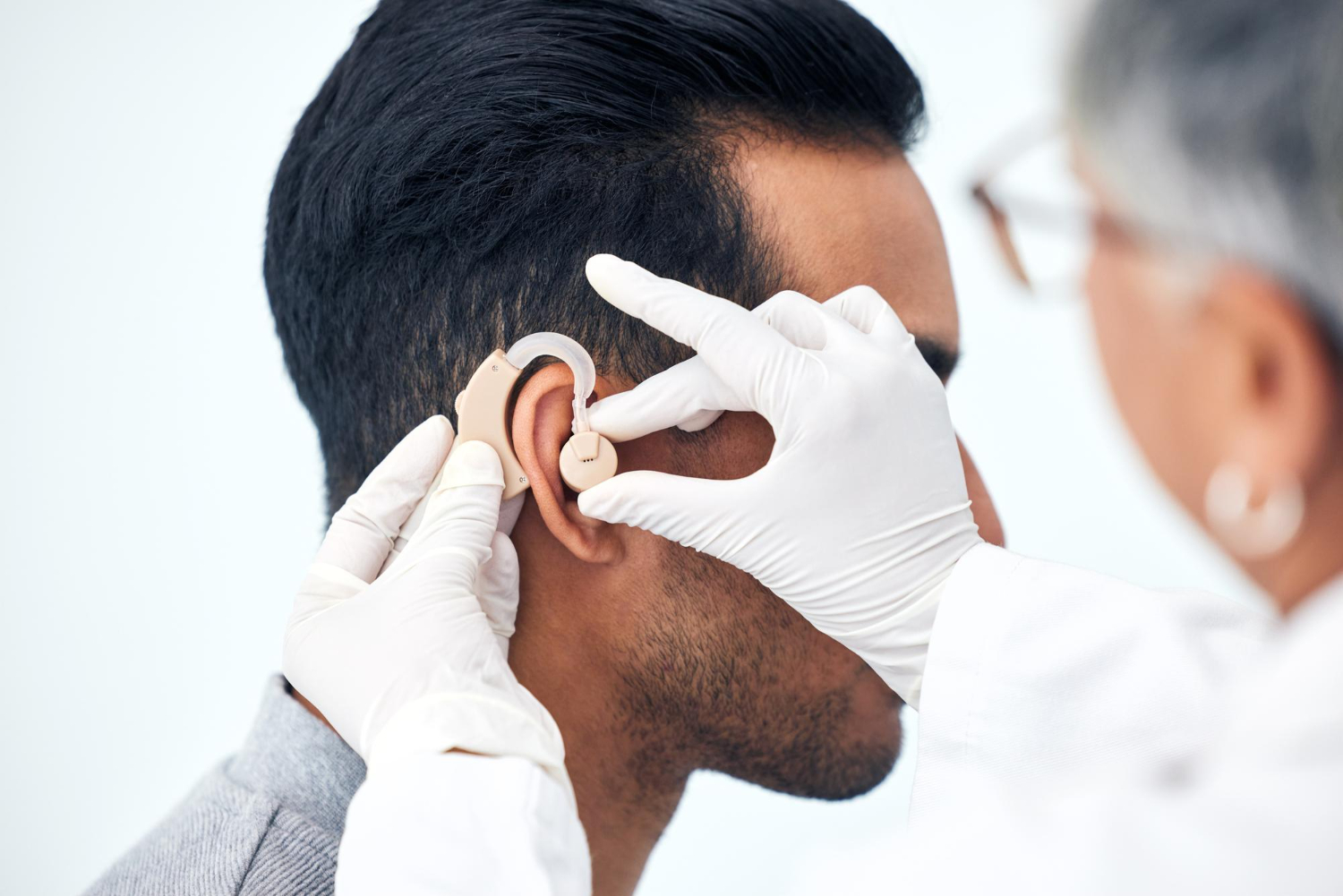
- Hearing Aids: For individuals with hearing loss, hearing aids can significantly improve their quality of life.
- Voice Therapy: Speech therapy to address voice disorders and improve communication.
- Allergy Management: Strategies to manage allergic rhinitis and reduce exposure to allergens.
VI. Prevention and Health Maintenance
Regular check-ups with an ENT specialist can aid in the early detection and prevention of many conditions. Lifestyle modifications and awareness of risk factors, such as smoking or exposure to loud noise, can also contribute to better ear, nose, and throat health.
VII. Advancements in ENT Medicine
ENT medicine continues to evolve with advancements in surgical techniques, diagnostic tools, and treatment modalities. Minimally invasive procedures, robotic-assisted surgery, and targeted therapies are among the innovations driving progress in the field.
VIII. Conclusion: Prioritizing Ear, Nose, and Throat Health
Ear, nose, and throat health are fundamental to overall well-being and quality of life. Whether addressing common conditions like sinusitis or managing complex head and neck cancers, otolaryngologists play an integral role in ensuring optimal health for patients of all ages. The comprehensive care provided by ENT specialists underscores the importance of addressing ear, nose, and throat health as an essential component of overall healthcare.


