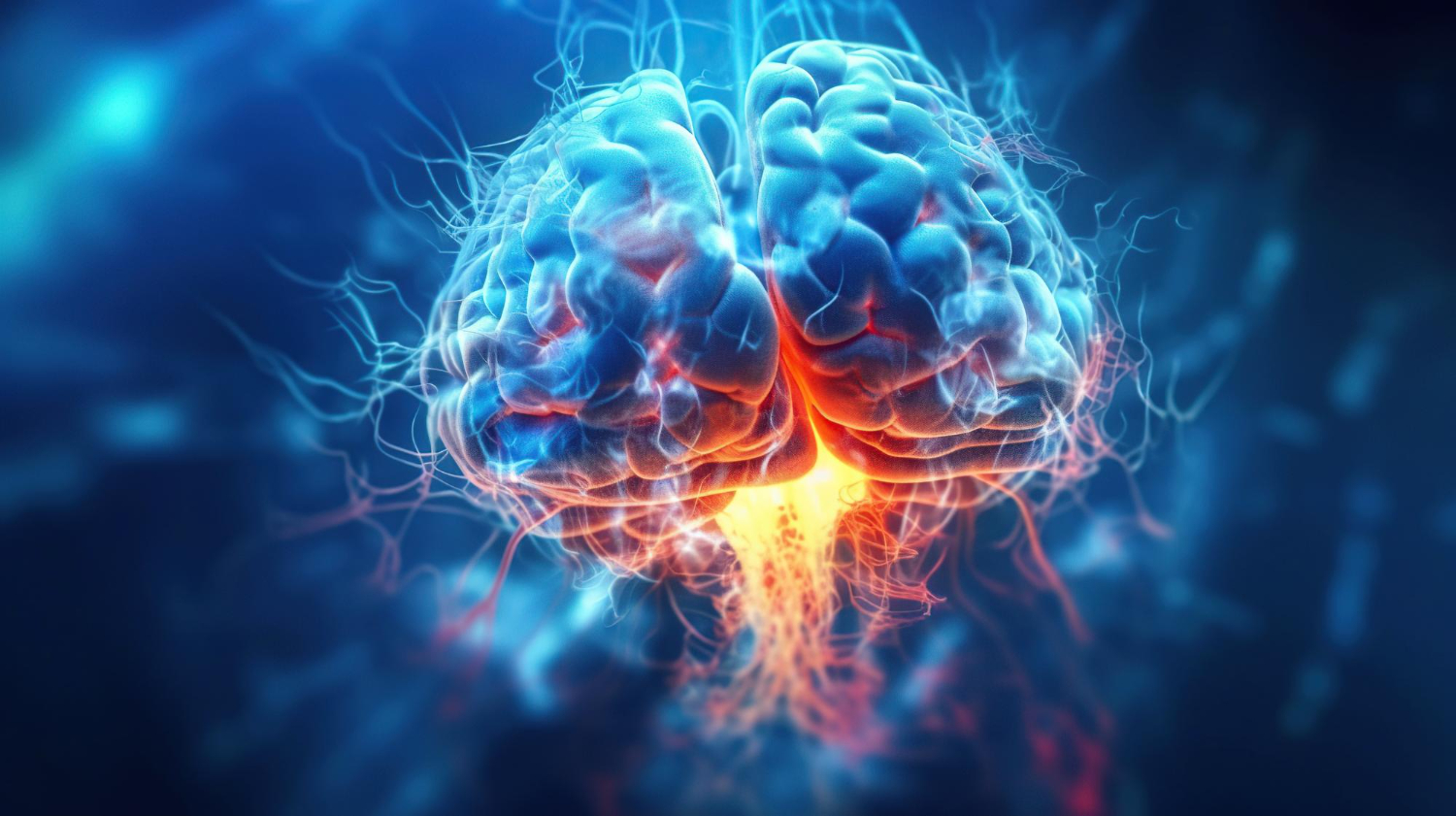
 The Importance of Neurological Care
Neurology is central to our understanding of the human brain and nervous system, two of the most intricate and critical components of our bodies. Advancements in neuroscience and neurological care have led to improved treatments and outcomes for many patients. Moreover, the field continues to expand, with ongoing research into neuroplasticity, brain-computer interfaces, and the development of new therapies.
In conclusion, neurology is a dynamic and ever-evolving field that holds the keys to understanding the complexities of the human brain and nervous system. It plays a vital role in diagnosing, treating, and managing a wide range of neurological disorders, ultimately improving the quality of life for countless individuals. Whether you seek treatment for a neurological condition or are simply fascinated by the inner workings of the nervous system, neurology remains a beacon of hope and discovery in modern medicine.
Neurology:
Neurology is the branch of medicine dedicated to the study, diagnosis, and treatment of disorders affecting the nervous system. This complex and intricate field explores the brain, spinal cord, nerves, and muscles, unraveling the mysteries of the human nervous system. In this comprehensive guide, we delve into the world of neurology, covering everything from the basics of neuroanatomy to common neurological disorders, diagnostic methods, treatment options, and the importance of neurological care in modern medicine.
I. Neuroanatomy:The Building Blocks of the Nervous System
The nervous system is the body’s communication network, consisting of two primary divisions:
Central Nervous System (CNS): Comprising the brain and spinal cord, the CNS serves as the command center, processing information and coordinating responses.
Peripheral Nervous System (PNS): This network of nerves connects the CNS to the rest of the body, transmitting signals for movement, sensation, and more.
II. Common Neurological Disorders
Neurological disorders can affect individuals of all ages and backgrounds. Some prevalent conditions include:
Stroke: A sudden interruption of blood flow to the brain, leading to damage or cell death, often resulting in motor or cognitive deficits.
Epilepsy: A chronic condition characterized by recurrent seizures due to abnormal electrical activity in the brain.
Migraines: Severe headaches often accompanied by nausea, visual disturbances, and sensitivity to light and sound.
Alzheimer’s Disease: A progressive neurodegenerative disorder leading to memory loss, cognitive decline, and changes in behavior.
Multiple Sclerosis (MS): An autoimmune disease affecting the CNS, leading to inflammation, demyelination, and a wide range of neurological symptoms.
Parkinson’s Disease: A neurodegenerative disorder causing tremors, rigidity, and bradykinesia due to the loss of dopamine-producing cells.
III. Diagnosis and Diagnostic Tools
Accurate diagnosis is critical in neurology. Neurologists employ various diagnostic methods:
Neuroimaging: Techniques like MRI, CT scans, and PET scans provide detailed images of the brain and spinal cord.
Electroencephalogram (EEG): Measures electrical activity in the brain, aiding in the diagnosis of epilepsy and other disorders.
Lumbar Puncture: A procedure involving the removal of cerebrospinal fluid from the spinal canal to evaluate for infections or other abnormalities.
Neurological Examinations: These clinical assessments evaluate motor skills, reflexes, coordination, and sensory function.
Blood Tests: May be used to check for biomarkers, infections, or metabolic abnormalities.
IV. Treatment Options
Treatment in neurology varies widely based on the specific disorder and its severity. Options include:
Medications: Many neurological conditions can be managed or improved with medication, such as antiepileptic drugs, pain relievers, and disease-modifying drugs for conditions like MS.
Physical and Occupational Therapy: These therapies help patients regain function, mobility, and independence.
Surgery: In some cases, surgical interventions, like deep brain stimulation for Parkinson’s disease or tumor removal, may be necessary.
Lifestyle Modifications: Adopting a healthy lifestyle, including regular exercise, a balanced diet, and stress management, can benefit many neurological conditions.
V. The Role of Neurologists
Neurologists are medical doctors who specialize in diagnosing and treating neurological disorders. They work in various subspecialties, such as neurosurgery, neuropsychiatry, and pediatric neurology, to provide comprehensive care. They play a pivotal role in:
Providing accurate diagnoses and treatment plans.
Monitoring disease progression and managing symptoms.
Offering guidance and support to patients and their families.
Researching to advance the understanding and treatment of neurological disorders.


